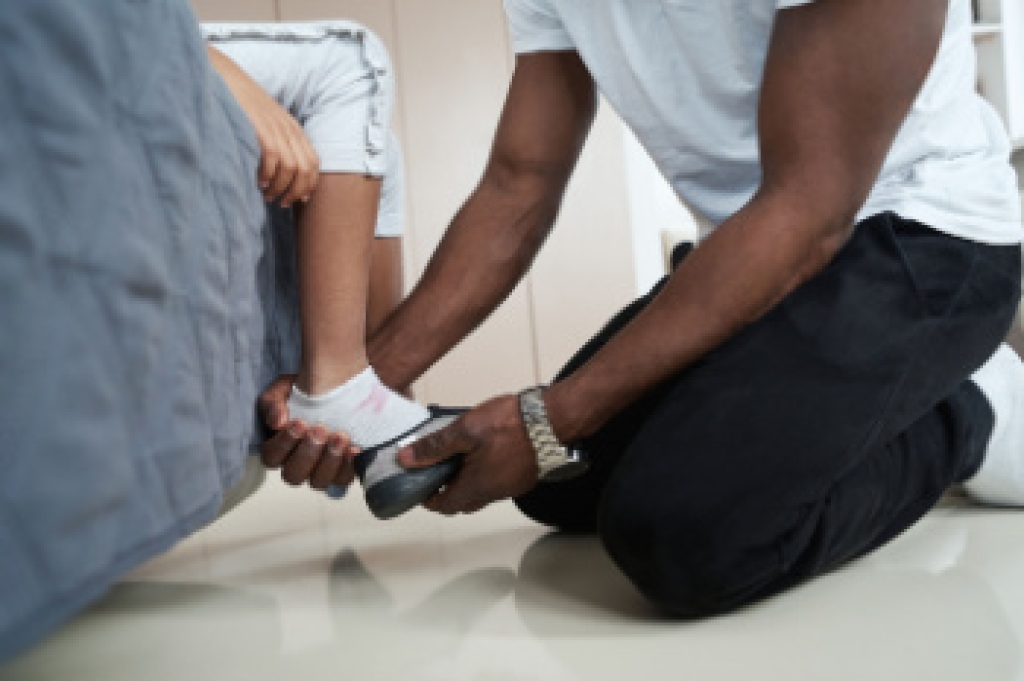
Wearing the right shoes plays an important role in protecting foot health and preventing pain. Shoes that fit correctly help support the feet while walking and standing. Poorly fitting shoes can place extra pressure on certain areas of the foot and contribute to problems, such as bunions, corns, calluses, and hammertoes. A hammertoe is a toe that bends abnormally at one of its joints. Shoes with a wide toe box give the toes enough room to move naturally. The toe box is the front part of the shoe that surrounds the toes. Proper shoes also help distribute body weight more evenly across the foot, reducing stress on joints and soft tissues.
Several features make a shoe healthier for the feet. Shoes with low heels place less pressure on the front of the foot than high-heeled shoes. A wide and deep toe box helps prevent crowding of the toes. Breathable materials allow air to circulate around the feet. Lace-up shoes usually provide a more secure fit than slip-on styles. A firm heel counter, which is the back portion of the shoe, helps keep the foot stable. The sole should provide cushioning and support. A shoe should also allow the ball of the foot to rest comfortably in the widest part of the shoe.
A podiatrist can evaluate foot structure, walking patterns, and shoe-related problems. Foot pain sometimes develops because shoes do not match the shape or needs of the feet. A podiatrist can identify pressure points, diagnose shoe-related conditions, and recommend footwear that offers better support and comfort. In some cases, special shoes or custom orthotics worn inside shoes help improve foot function. Professional evaluation can also help prevent existing foot conditions from becoming more serious. If you have foot pain that worsens when wearing shoes, it is suggested that you schedule an appointment with a podiatrist for guidance on how to choose shoes that fit properly.
Finding a properly-fitting shoe is important in reducing injuries and preventing foot problems. For more information about treatment, contact Stephanie Tine, DPM from Flamingo Foot and Ankle. Our doctor will treat your foot and ankle needs.
Proper Shoe Fitting
A common concern when it comes to foot health, having properly fitted shoes can help prevent injuries to the foot. Out feet affect our posture and gait, which in turn affects the biomechanics and overall bodily structure. With 33 joints, 26 bones, and over 100 ligaments, the potential for serious injury is much greater than one realizes. Although the feet cease growth in adulthood, they still change shape as they mature. Here are some factors to consider when it comes to investing in proper fitting shoes:
- Be sure the shoes fit correctly right away
- Ensure the ball of your foot fits comfortably in the widest portion of the shoes
- Even though they may look fashionable, improper fitting shoes can either create adverse conditions or exacerbate existing ones you may already have
- Walk along a carpeted surface to ensure the shoes comfortably fit during normal activity
Keeping in mind how shoes fit the biomechanics of your body, properly-fitting shoes are vitally important. Fortunately, it is not difficult to acquire footwear that fits correctly. Be sure to wear shoes that support the overall structure of your body. Do your feet a favor and invest in several pairs of well-fitted shoes today.
If you have any questions, please feel free to contact our office located in Fort Lauderdale, FL . We offer the newest diagnostic and treatment technologies for all your foot care needs.