
Why a Broken Toe Should Be Evaluated by a Podiatrist

A broken toe is a common injury that can make walking, standing, and other daily activities uncomfortable. It often results from stubbing the toe, dropping a heavy object on the foot, or experiencing a sports-related injury. A fracture may involve a small crack in the bone or a more serious break that affects the toe's alignment. Because the toes help provide balance and support with every step, even a minor fracture can interfere with normal movement. Some broken toes heal without complications, while others require closer medical attention to prevent long-term problems. A professional evaluation is important to determine the type of fracture and recommend the most appropriate treatment. Early diagnosis may also help protect foot function and support proper healing.


Symptoms of a broken toe usually appear soon after the injury. Many people experience pain, swelling, or bruising around the affected toe. Others notice tenderness or difficulty putting weight on the front of the foot. In some cases, the toe may appear crooked or sit in an unusual position if the bones have shifted. Walking may become more difficult because of discomfort and reduced flexibility. Since sprains and fractures can cause similar symptoms, imaging studies may be needed to confirm the diagnosis. Prompt treatment can help reduce complications and support a smoother recovery.


A podiatrist specializes in diagnosing and treating broken toes and other foot injuries. During an examination, the podiatrist evaluates the injured toe, reviews the symptoms, and determines the extent of the fracture before creating an individualized treatment plan. Treatment focuses on restoring proper alignment when needed, protecting the injured area, and supporting healthy healing. Ongoing podiatry care may also help improve foot function and reduce the risk of long-term complications. If you are experiencing toe pain, swelling, or difficulty walking after an injury, it is suggested that you consult a podiatrist for an evaluation and appropriate treatment options.

A broken toe can be very painful and lead to complications if not properly fixed. If you have any concerns about your feet, contact Stephanie Tine, DPM from Flamingo Foot and Ankle. Our doctor will treat your foot and ankle needs.

What to Know About a Broken Toe

Although most people try to avoid foot trauma such as banging, stubbing, or dropping heavy objects on their feet, the unfortunate fact is that it is a common occurrence. Given the fact that toes are positioned in front of the feet, they typically sustain the brunt of such trauma. When trauma occurs to a toe, the result can be a painful break (fracture).

Symptoms of a Broken Toe

  • Throbbing pain
  • Swelling
  • Bruising on the skin and toenail
  • The inability to move the toe
  • Toe appears crooked or disfigured
  • Tingling or numbness in the toe

Generally, it is best to stay off of the injured toe with the affected foot elevated.

Severe toe fractures may be treated with a splint, cast, and in some cases, minor surgery. Due to its position and the pressure it endures with daily activity, future complications can occur if the big toe is not properly treated.

If you have any questions, please feel free to contact our office located in Fort Lauderdale, FL . We offer the newest diagnostic and treatment technologies for all your foot care needs.


Read more about What to Know About a Broken Toe

Bunion Pain and Correctors

Bunions are a progressive foot deformity defined as a bony enlargement at the base of the big toe joint. This condition develops when the big toe gradually shifts toward the second toe, causing the joint to protrude outward. The misalignment places stress on surrounding tissues, leading to inflammation, discomfort, and changes in foot structure. Bunions can worsen over time, especially when contributing factors are not addressed early.

Common symptoms of bunions include swelling, redness, and joint stiffness at the base of the big toe. Pain often increases with walking, standing, or wearing tight fitting shoes. The skin over the bunion may become irritated due to friction, and the joint may feel tender or warm. As the condition progresses, individuals may notice difficulty with shoe fit, decreased range of motion, and changes in walking patterns.


Several causes and risk factors contribute to bunion formation. Genetics plays a key role, as inherited foot structure can predispose individuals to joint instability. Footwear is another major factor, especially shoes with a narrow toe box or high heels that place excessive pressure on the forefoot. Additional risk factors include flat feet, ligament laxity, and repetitive stress from prolonged standing or walking.


A bunion corrector is a supportive device designed to help improve toe alignment and reduce pressure on the affected joint. It works by gently guiding the big toe into a more natural position while providing cushioning and stability. Although it does not reverse the deformity, it can relieve discomfort and slow progression when used consistently. Benefits include reduced friction, improved comfort, and better foot positioning during daily activities. If you have bunions and want information about bunion correctors, it is suggested that you consult a podiatrist who can determine if this form of treatment is right for you.

If you are suffering from bunions, contact Stephanie Tine, DPM of Flamingo Foot and Ankle. Our doctor can provide the care you need to keep you pain-free and on your feet.

What Is a Bunion?

A bunion is formed of swollen tissue or an enlargement of boney growth, usually located at the base joint of the toe that connects to the foot. The swelling occurs due to the bones in the big toe shifting inward, which impacts the other toes of the foot. This causes the area around the base of the big toe to become inflamed and painful.

Why Do Bunions Form?

Genetics – Susceptibility to bunions are often hereditary

Stress on the feet – Poorly fitted and uncomfortable footwear that places stress on feet, such as heels, can worsen existing bunions

How Are Bunions Diagnosed?

Podiatrists often perform two tests – blood tests and x-rays – when trying to diagnose bunions, especially in the early stages of development. Blood tests help determine if the foot pain is being caused by something else, such as arthritis, while x-rays provide a clear picture of your bone structure to your provider.

How Are Bunions Treated?

  • Refrain from wearing heels or similar shoes that cause discomfort
  • Select wider shoes that can provide more comfort and reduce pain
  • Anti-inflammatory and pain management drugs
  • Orthotics or foot inserts
  • Surgery

If you have any questions, please feel free to contact our office located in Fort Lauderdale, FL . We offer the newest diagnostic and treatment technologies for all your foot care needs.

Read more about Bunions

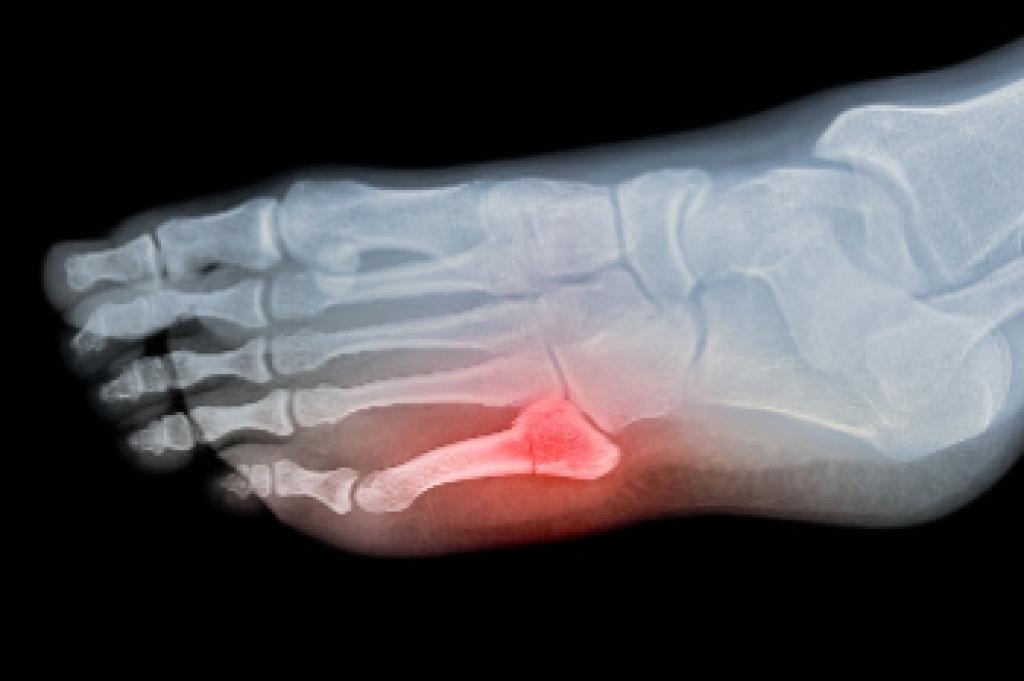
Metatarsal Foot Fractures and Common Causes of Forefoot Injury

A metatarsal foot fracture is a break in one of the long bones located in the forefoot, which connect the midfoot to the toes. These bones play an important role in balance, walking, and weight distribution. A fracture in this area can range from a small stress crack to a complete break. Metatarsal fractures are common foot injuries and may occur suddenly due to trauma or gradually from repetitive stress over time.

Symptoms of a metatarsal fracture include sharp pain in the top or ball of the foot that worsens with movement or weight bearing. Swelling, bruising, and tenderness are also common, and the foot may appear visibly swollen or misshapen in more severe cases. Some individuals may feel a popping sensation at the time of injury. Walking often becomes difficult, and limping may develop as the body attempts to avoid pressure on the injured area.


There are several risk factors associated with metatarsal fractures. High-impact sports, such as running, basketball, or soccer, increase the likelihood of injury due to repetitive force on the forefoot. Wearing improper footwear that lacks support or cushioning can also contribute. Structural foot issues, such as high arches or abnormal gait patterns, may place uneven stress on the metatarsals. Bone conditions like osteoporosis can further weaken bone strength, increasing fracture risk.


The causes of metatarsal fractures include both acute trauma and overuse injuries. Acute fractures may result from a sudden injury, such as a direct blow to the foot or twisting of the ankle. Overuse fractures, often called stress fractures, develop gradually due to repeated strain without adequate rest. Early diagnosis is important to prevent complications and promote healing. If you have broken your foot, it is suggested that you promptly consult a podiatrist who can determine what the best treatment is for your type of fracture.

A broken foot requires immediate medical attention and treatment. If you need your feet checked, contact Stephanie Tine, DPM from Flamingo Foot and Ankle. Our doctor can provide the care you need to keep you pain-free and on your feet.

Broken Foot Causes, Symptoms, and Treatment

A broken foot is caused by one of the bones in the foot typically breaking when bended, crushed, or stretched beyond its natural capabilities. Usually the location of the fracture indicates how the break occurred, whether it was through an object, fall, or any other type of injury. 

Common Symptoms of Broken Feet:

  • Bruising
  • Pain
  • Redness
  • Swelling
  • Blue in color
  • Numbness
  • Cold
  • Misshapen
  • Cuts
  • Deformities

Those that suspect they have a broken foot shoot seek urgent medical attention where a medical professional could diagnose the severity.

Treatment for broken bones varies depending on the cause, severity and location. Some will require the use of splints, casts or crutches while others could even involve surgery to repair the broken bones. Personal care includes the use of ice and keeping the foot stabilized and elevated.

If you have any questions, please feel free to contact our office located in Fort Lauderdale, FL . We offer the newest diagnostic and treatment technologies for all your foot care needs.
Read more about Causes, Symptoms, and Treatment for a Broken Foot