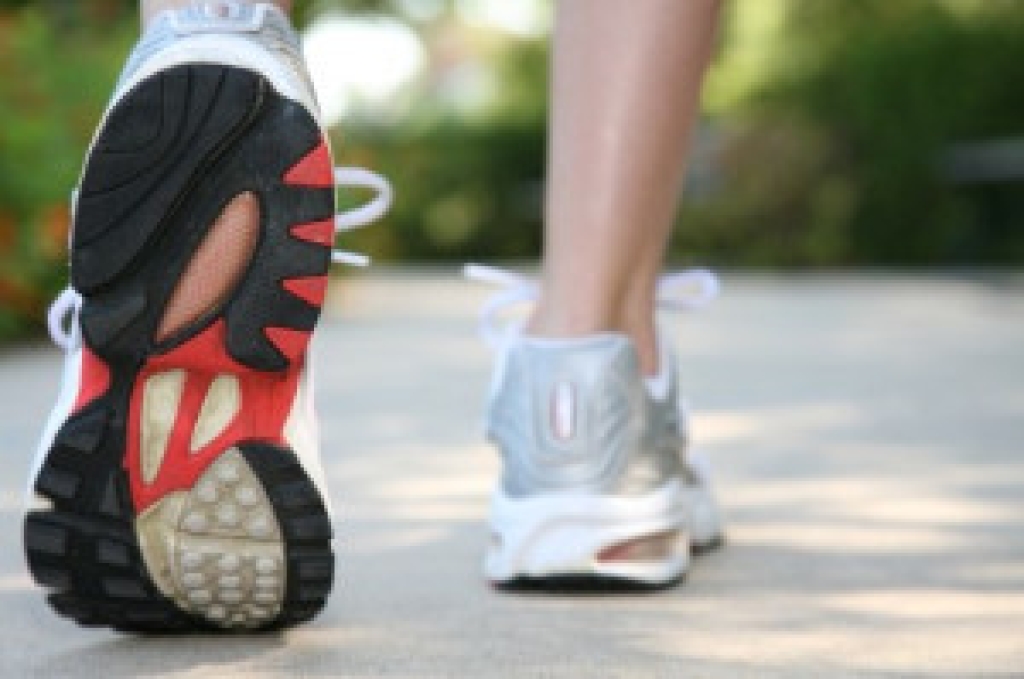
Choosing the right running shoe is essential for comfort, performance, and injury prevention. Running places repeated impact force on the feet, ankles, and lower limbs, making proper support a key factor in foot health. An important consideration is how much your foot pronates, or rolls inward, during each step. Neutral pronation allows for balanced movement, while excessive inward rolling or limited motion can lead to uneven pressure. Understanding your gait and foot structure helps guide the selection of shoes that match your needs.
Symptoms of wearing the wrong running shoes often develop gradually. Common signs include foot pain, arch discomfort, and ankle instability. Excessive pronation can lead to strain along the inner foot and ankle, while insufficient pronation may increase pressure on the outer edge. These imbalances affect how impact force is absorbed, which can contribute to overuse injuries such as plantar fasciitis or stress fractures. Paying attention to these symptoms can prevent long term damage.
Several risk factors increase the likelihood of injury when wearing improper footwear. Foot structure, including flat feet or high arches, plays a major role in how the foot handles movement and pressure. Wearing shoes that do not match your pronation type can worsen alignment issues. The main cause of discomfort is poor shock absorption and lack of support, which forces the body to compensate during movement. This can lead to a chain reaction of strain throughout the lower body.
Choosing the right running shoe involves evaluating fit, cushioning, and support. Shoes should match your foot shape and provide stability based on your level of pronation. Replacing worn shoes regularly and rotating pairs can also help reduce impact stress. If you have foot pain from wearing the wrong running shoes, it is suggested that you consult a podiatrist for effective relief tips, and additional guidance on choosing shoes for your running style.
For more information about walking shoes versus running shoes, consult with Stephanie Tine, DPM from Flamingo Foot and Ankle. Our doctor can measure your feet to determine what your needs are and help you find an appropriate pair of footwear.
Foot Health: The Differences between Walking & Running Shoes
There are great ways to stay in shape: running and walking are two great exercises to a healthy lifestyle. It is important to know that running shoes and walking shoes are not interchangeable. There is a key difference on how the feet hit the ground when someone is running or walking. This is why one should be aware that a shoe is designed differently for each activity.
You may be asking yourself what the real differences are between walking and running shoes and the answers may shock you.
Differences
Walking doesn’t involve as much stress or impact on the feet as running does. However, this doesn’t mean that you should be any less prepared. When you’re walking, you land on your heels and have your foot roll forward. This rolling motion requires additional support to the feet.
Flexibility – Walking shoes are designed to have soft, flexible soles. This allows the walker to push off easily with each step.
If you have any questions, please feel free to contact our office located in Fort Lauderdale, FL . We offer the newest diagnostic and treatment technologies for all your foot care needs.