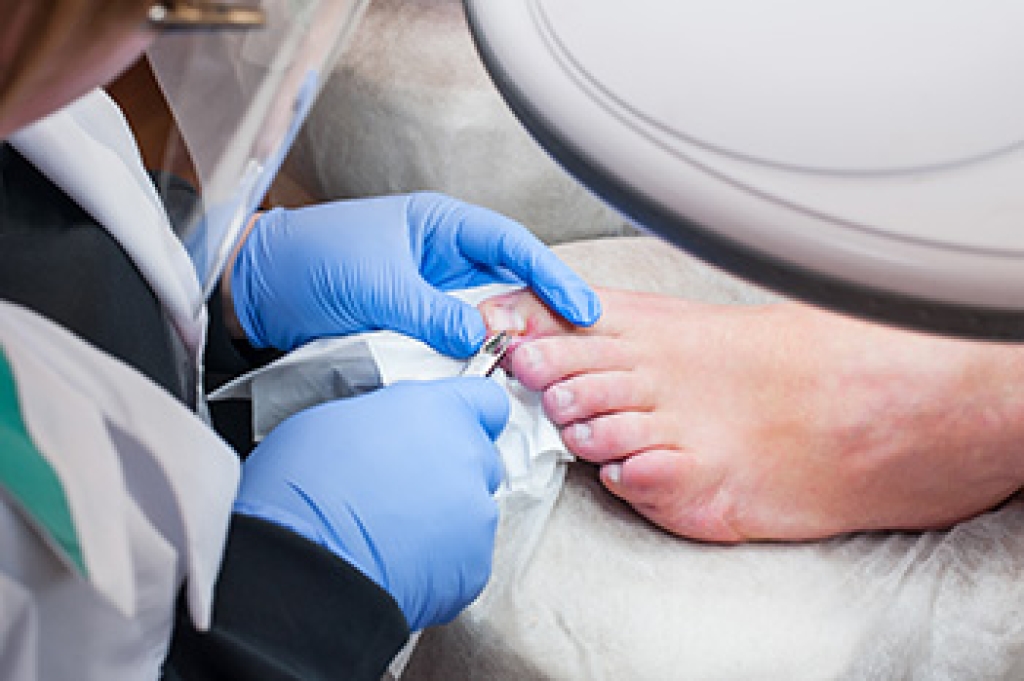
An ingrown toenail occurs when the edge of a toenail grows into the surrounding skin rather than extending over the toe. This condition commonly affects the big toe and may cause increasing discomfort without proper care. Symptoms include redness, swelling, and tenderness around the nail. In more advanced cases, infection can develop and cause drainage. Common causes include cutting nails too short, rounding the corners, and wearing tight shoes that squeeze the toes. Naturally curved nails, repeated toe injuries, and activities that place pressure on the feet can also increase the risk. Recognizing symptoms early can help prevent complications and support healing.
Mild ingrown toenails may improve with conservative treatment when infection is absent. A podiatrist may recommend warm water soaks, roomy footwear, and measures to reduce pressure on the affected toe. However, ingrown toenail surgery may be necessary when discomfort continues, the nail repeatedly grows into the skin, or an infection develops. People with diabetes or poor circulation should seek prompt professional care because foot complications may become more serious. During an examination, the podiatrist checks the nail, surrounding tissue, and signs of infection before recommending an appropriate treatment plan. Early evaluation can help limit inflammation and protect the surrounding skin.
One common procedure is partial nail avulsion, which removes only the section of nail that presses into the skin. The podiatrist first numbs the toe with a local anesthetic, then carefully removes the affected nail edge. When ingrown toenails repeatedly return, a matrixectomy may be recommended. This procedure treats part of the nail matrix, the tissue responsible for nail growth, to help prevent the problematic section from growing back. Complete nail removal may be considered in selected cases, although it is less common. The best approach depends on the nail condition, symptom severity, and history of recurrence.
After surgery, the podiatrist applies a dressing and explains how to care for the toe during recovery. Following instructions for cleaning the area, changing dressings, and protecting the toe is essential. Roomy shoes can reduce pressure while healing occurs. Mild tenderness may be expected, but worsening redness, swelling, or drainage should be reported promptly. Follow-up appointments allow the podiatrist to monitor healing and address concerns. To lower the risk of recurrence, trim toenails straight across and avoid wearing footwear that crowds the toes. If you have persistent ingrown toenail pain or signs of infection, it is suggested that you consult a podiatrist who can determine if this type of surgery is right for you.
Foot surgery is sometimes necessary to treat a foot ailment. To learn more, contact Stephanie Tine, DPM of Flamingo Foot and Ankle. Our doctor will assist you with all of your foot and ankle needs.
When Is Surgery Necessary?
Foot and ankle surgery is generally reserved for cases in which less invasive, conservative procedures have failed to alleviate the problem. Some of the cases in which surgery may be necessary include:
- Removing foot deformities like bunions and bone spurs
- Severe arthritis that has caused bone issues
- Cosmetic reconstruction
What Types of Surgery Are There?
The type of surgery you receive will depend on the nature of the problem you have. Some of the possible surgeries include:
- Bunionectomy for painful bunions
- Surgical fusion for realignment of bones
- Neuropathy decompression surgery to treat nerve damage
Benefits of Surgery
Although surgery is usually a last resort, it can provide more complete pain relief compared to non-surgical methods and may allow you to finally resume full activity.
Surgical techniques have also become increasingly sophisticated. Techniques like endoscopic surgery allow for smaller incisions and faster recovery times.
If you have any questions, please feel free to contact our office located in Fort Lauderdale, FL . We offer the newest diagnostic and treatment technologies for all your foot care needs.