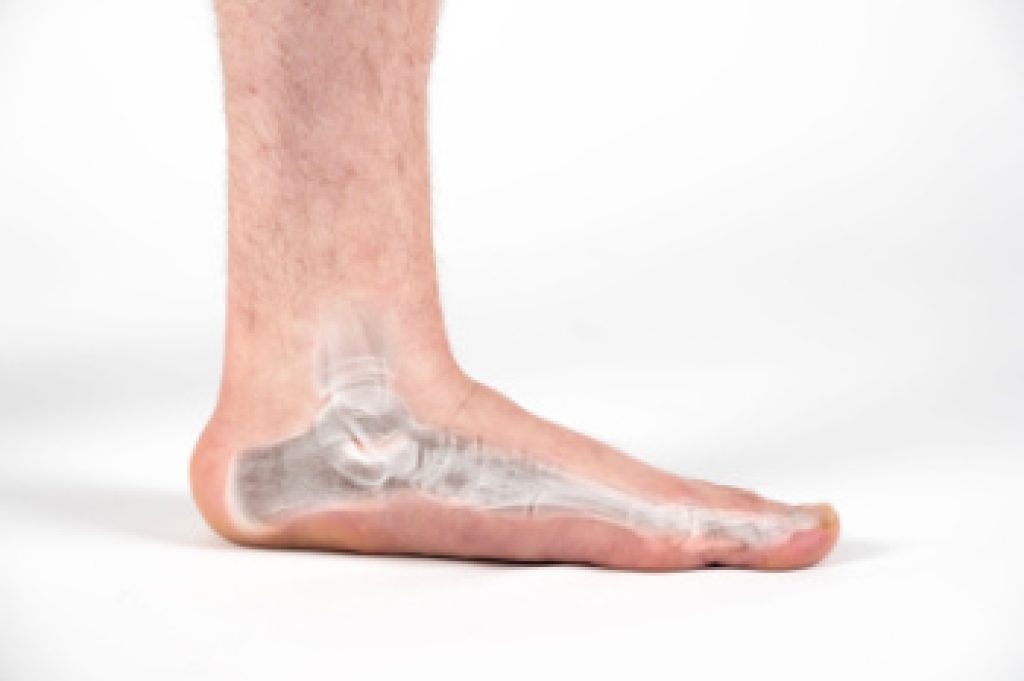
Flat feet occur when the arches of the feet are low or touch the ground. The arch helps distribute body weight and supports movement. Many children have flat feet as their arches develop. Sometimes, an arch becomes visible as they grow. Others continue to have flat feet without discomfort. Flat feet may also develop because of injury, weakened supporting tissues, or changes in foot structure. Symptoms include aching feet, tired legs, and discomfort around the ankles. Some patients notice that their feet roll inward while walking. Flat feet do not always require treatment when movement remains comfortable and normal.
A podiatrist evaluates the shape and movement of the feet to determine whether treatment is appropriate. The examination includes checking arch flexibility, ankle movement, and walking patterns. A flexible flat foot develops an arch when the foot is not bearing weight. A rigid flat foot remains flat even when weight is removed. This distinction helps guide evaluation. The podiatrist looks for tenderness and signs of strain in supporting tissues. When symptoms interfere with daily activities, treatment may involve custom orthotic devices that support the feet inside shoes. Professionally guided exercises may improve strength and movement in selected patients. A podiatrist may recommend shoes with support and assess whether testing is necessary. Treatment focuses on discomfort and function rather than changing every flat arch.
Children with painless, flexible flat feet generally move normally. A podiatrist may monitor their foot development when parents notice changes or have concerns. Pain, stiffness, or difficulty keeping up with activities deserves closer attention. In adults, a newly flattened arch or increasing ankle pain may indicate damage to tissues that support the foot. The podiatrist carefully evaluates these changes and develops a plan based on the underlying cause. Follow-up appointments track comfort, foot movement, and progress with daily activities. Treatment goals depend on age, symptoms, and the findings of the examination. Early assessment helps identify problems that need attention while avoiding unnecessary treatment for painless feet. If your child has flat feet, it is suggested that you schedule an appointment with a podiatrist for effective management solutions.
Flatfoot is a condition many people suffer from. If you have flat feet, contact Stephanie Tine, DPM from Flamingo Foot and Ankle. Our doctor will treat your foot and ankle needs.
What Are Flat Feet?
Flatfoot is a condition in which the arch of the foot is depressed and the sole of the foot is almost completely in contact with the ground. About 20-30% of the population generally has flat feet because their arches never formed during growth.
Conditions & Problems:
Having flat feet makes it difficult to run or walk because of the stress placed on the ankles.
Alignment – The general alignment of your legs can be disrupted, because the ankles move inward which can cause major discomfort.
Knees – If you have complications with your knees, flat feet can be a contributor to arthritis in that area.
Symptoms
- Pain around the heel or arch area
- Trouble standing on the tip toe
- Swelling around the inside of the ankle
- Flat look to one or both feet
- Having your shoes feel uneven when worn
Treatment
If you are experiencing pain and stress on the foot you may weaken the posterior tibial tendon, which runs around the inside of the ankle.
If you have any questions, please feel free to contact our office located in Fort Lauderdale, FL . We offer the newest diagnostic and treatment technologies for all your foot care needs.